Vedic Threads | Recorded
The Role Of Paramparā & Dṛṣṭi In Education
This session explores the role of paramparā (tradition) and dṛṣṭi (worldview) in shaping education and life. Dr. Anuradha Choudry highlights how ancient Indian knowledge systems fostered an interconnected, holistic understanding of reality, linking individual well-being with that of all beings. She contrasts this with colonial influences that disrupted traditional perspectives, emphasizing the need to restore balance without rigidly clinging to the past. The reflection session extends this through saṅkalpa (intentional resolve), encouraging conscious, ethical living and disciplined practice. Together, the sessions advocate for integrating traditional wisdom with modern contexts to cultivate awareness, harmony, and purposeful action.
Guest Instructor
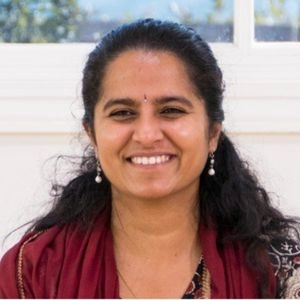
Dr. Anuradha Choudry
Dr. Anuradha Choudry is a distinguished scholar of Indian Knowledge Systems, currently serving with the Ministry of Education at AICTE and as a faculty member at IIT Kharagpur. Specializing in Sanskrit, Indian psychology, philosophy, and culture, she contributes to both academic and applied research in these fields. A recipient of the Excellent Young Teacher’s Award (2019), she has co-authored works on Indic perspectives of psychology and happiness and actively engages in global knowledge initiatives. Through teaching, research, and programs like Yogathons, she continues to promote the relevance of traditional wisdom in contemporary education and well-being.
The Role Of Paramparā & Dṛṣṭi In Education
with Dr. Anuradha Choudry
Topics Covered:
- Paramparā and dṛṣṭi are central to understanding the shift in education from ancient to modern times.
- Ancient Indian education systems were resilient and adaptable, contributing to sustained prosperity.
- The introduction of colonial education reforms aimed to disconnect Indians from their traditional knowledge.
- Ancient knowledge emphasized an interconnected worldview, where well-being was linked to the well-being of all beings.
- The holistic approach in Ayurveda extended to human, plant, and animal health.
- Maritime trade was a significant aspect of ancient Indian civilization, showcasing advanced knowledge in navigation and shipbuilding.
- Traditional knowledge systems, like Ayurveda, require a balance between preservation and adaptation.
- The Sanskrit term satya (truth) is rooted in being fully present and capturing the highest potential of the moment.
- True knowledge involves a balance between empirical data and intuitive understanding.
- Rigid adherence to tradition can impede new insights and innovations.
Learning Objectives:
- Understand the historical context: Explain the evolution of Indian education systems from ancient to modern times, focusing on the influence of paramparā and dṛṣṭi.
- Evaluate the impact of colonial reforms: Assess the effects of Thomas Macaulay’s education reforms on traditional Indian knowledge systems and societal perspectives.
- Apply holistic knowledge principles: Implement the principles of interconnectedness and holistic well-being from traditional Indian knowledge systems in contemporary practices.
Session 2
Reflections & Integration with the Instructors
Topics Covered:
- Saṅkalpa is a spiritual vow or intention, deeply rooted in Vedic tradition.
- Setting a saṅkalpa requires moving out of one’s comfort zone, building discipline over time.
- The mind (manaḥ) and ego (ahaṅkāra) play significant roles in the challenges of fulfilling a saṅkalpa.
- Vegetarianism and conscious food choices were discussed as forms of ahiṁsā (non-violence).
- Harm includes violence in thought, word, and deed, not just physical actions.
- Consciousness and intention in our actions are vital to avoid harming others.
- The Gītā advises focusing on actions rather than outcomes, which aligns with the spirit of saṅkalpa.
- The discussion included reflections on the challenges of keeping a saṅkalpa in daily life.
- There was an emphasis on the spiritual journey of refining one’s intentions and actions.
- Participants shared personal experiences and reflections on how to integrate saṅkalpa into modern life.
Learning Objectives:
- Understand the Concept of Saṅkalpa: Participants will be able to define saṅkalpa and explain its significance in Vedic tradition and spiritual practice.
- Apply Saṅkalpa in Daily Life: Participants will learn how to set and maintain saṅkalpas, starting with small, manageable vows to build spiritual discipline.
- Evaluate the Ethical Implications of Saṅkalpa: Participants will explore the ethical dimensions of their actions, particularly in relation to food choices, and understand the broader impact of their intentions on themselves and the environment.
About Vedic Threads
Every Indian wisdom tradition carries within it a vast web of ideas, stories, and living knowledge. Vedic Threads is an invitation to explore that web — one theme at a time, in the company of lifelong practitioners and sincere seekers from around the world. Join hosts Drs. Ramkumar and Claudia Welch and Navneet Raman, and our distinguished guest instructors, for conversations that deepen your understanding of Ayurveda, yoga, and the traditions they emerge from.