Learn from the masters

Dr. Shubham Kulkarni
Experienced Ayurvedic physician & music therapist, known for integrating classical sound traditions into modern healing.
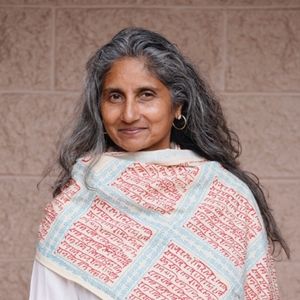
Smt. Nina Rao
Internationally celebrated kīrtana artist and spiritual guide, inspiring thousands worldwide through the power of devotional music.
This 10-session immersive journey explores the healing power of sound, weaving together the timeless wisdom of Gāndharva Veda, the subtle science of Indian classical music, and the heart-opening energy of kīrtana.
Guided by Dr. Shubham Kulkarni, and joined by renowned kīrtana artist Smt. Nina Rao for select sessions, you will rediscover Nāda—sound—as both a sacred and therapeutic force.
We will explore how music can nourish and support:
Pregnancy and early childhood development
Emotional and psychological wellbeing
Neurological and cognitive conditions
End-of-life care and spiritual transition
Each session combines philosophical, spiritual, psychological, physical, and clinical dimensions of sound—rooted in tradition yet deeply relevant today.
The course concludes with an integration session featuring live practice, Q&A, and musical engagement.
Course Structure
The course is structured into 9 sessions (75 minutes each of in-depth teachings, and a 10th session dedicated to Q&A, reflection, and experiential practice – featuring live demonstrations and musical engagement. This final gathering will offer space for integration, contemplation, and sound-based inner connection.
Learning objectives
By the end of the course, participants will be able to:
Describe core principles of nāda cikitsā, saṅgīta cikitsā and rāga cikitsā in Āyurveda and Gāndharva Veda.
Differentiate āhata nāda and anāhata nāda and relate them to Oṃkāra and nāda brahma.
Recognize how svara, tāla, alankāra and rāga shape the nervous system and emotional states.
Identify key points for using sound and music in clinical and supportive care settings.
Integrate mantra, japa and kīrtan into daily life for regulation, resilience and spiritual connection.
Honour tuning, intention and lineage when working with therapeutic mantras and rāgas.
Apply simple vocal, rhythmic, chanting and listening practices across ages and abilities.
Design a personal nāda practice that is safe, sustainable and aligned with one’s context.