“Consider in your heart that the outcome will be a glad one.” Lord Rama
Vānaprastha is the third of the four stages (āśrama) of life. While the stages do not have to progress from one to the next, they often do, with vānaprastha occurring at roughly 50 years of age. It is the age and stage where one ideally begins to withdraw increasingly more attention from the worldly arena and its consuming affairs, and begins to prioritize inner realities over external ones. In the modern world much attention is given to the second āśrama– gṛhastha or, “householder”, wherein we tend to focus on gathering houses, spouses, professional attainments and material goods. Though this emphasis on outer things can make it challenging to navigate vānaprastha āśrama consciously and gracefully, this third stage can be a rich and deeply meaningful and fulfilling time of life.
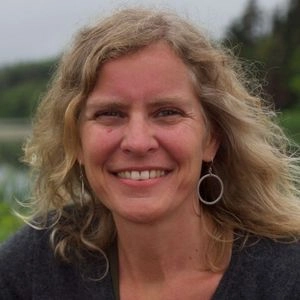
In this course, we explore the complexities, challenges, unrealized potential and richness of this stage, our intention being to support and inspire younger people to consider and possibly modify their life trajectories, and assist those later in years to enjoy this valuable life stage. Drs. Svoboda & Welch, over the course of five 1+-hour sessions, explore different aspects roughly connecting them to successively more subtle elements. Thus, session one relates to earth, two to water, three to fire, four to air and five to ether.
Note: while in this course, we often talk about vānaprastha as spanning roughly from ages 50-75, we recognize that this stage can also occur at any age of life –as can its goals, challenges and rewards.
This course may be a good fit for you if:
- are interested in Vedic Knowledge systems
- are curious about the transition between the first and second halves of life
- are experiencing the transition between the first and second halves of life
- are curious about the four āśramas (life stages) according to Indian philosophy and human experience
- are wishing to have a framework within to contextualize or share your life experiences
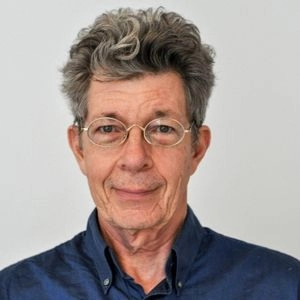
Dr Svoboda has been worshipping Shiva and meditating in cemeteries and cremation grounds for more than fifty years. He has personally cremated five people and has visited Benaras every year between 1984 & 2020. He is headed there again next month. He has also been intimately involved, as co-executor or something similar, with the estates of multiple people including his mentor, his mentor’s foster daughter and his parents.
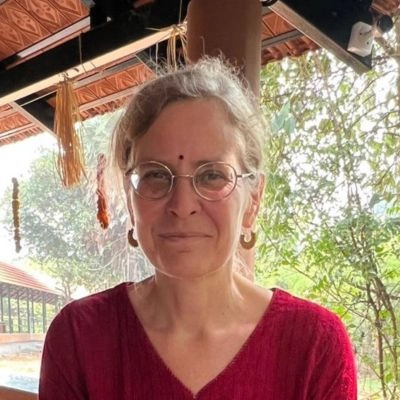
Dr. Claudia Welch’s perspective on death is deeply rooted in her formative experiences, including growing up in a living spiritual lineage of India that emphasizes “dying daily” and living in Benares—the City of Death—between the ages of 19 and 24. These early influences shaped her training in Ayurveda, her work as a licensed Doctor of Oriental Medicine with 10 years of clinical practice. Additionally, her understanding is enriched by studies of allied Indian knowledge systems. Dr. Welch has also worked closely with community members to help them prepare for the end of life, adding a practical, compassionate dimension to her teachings.
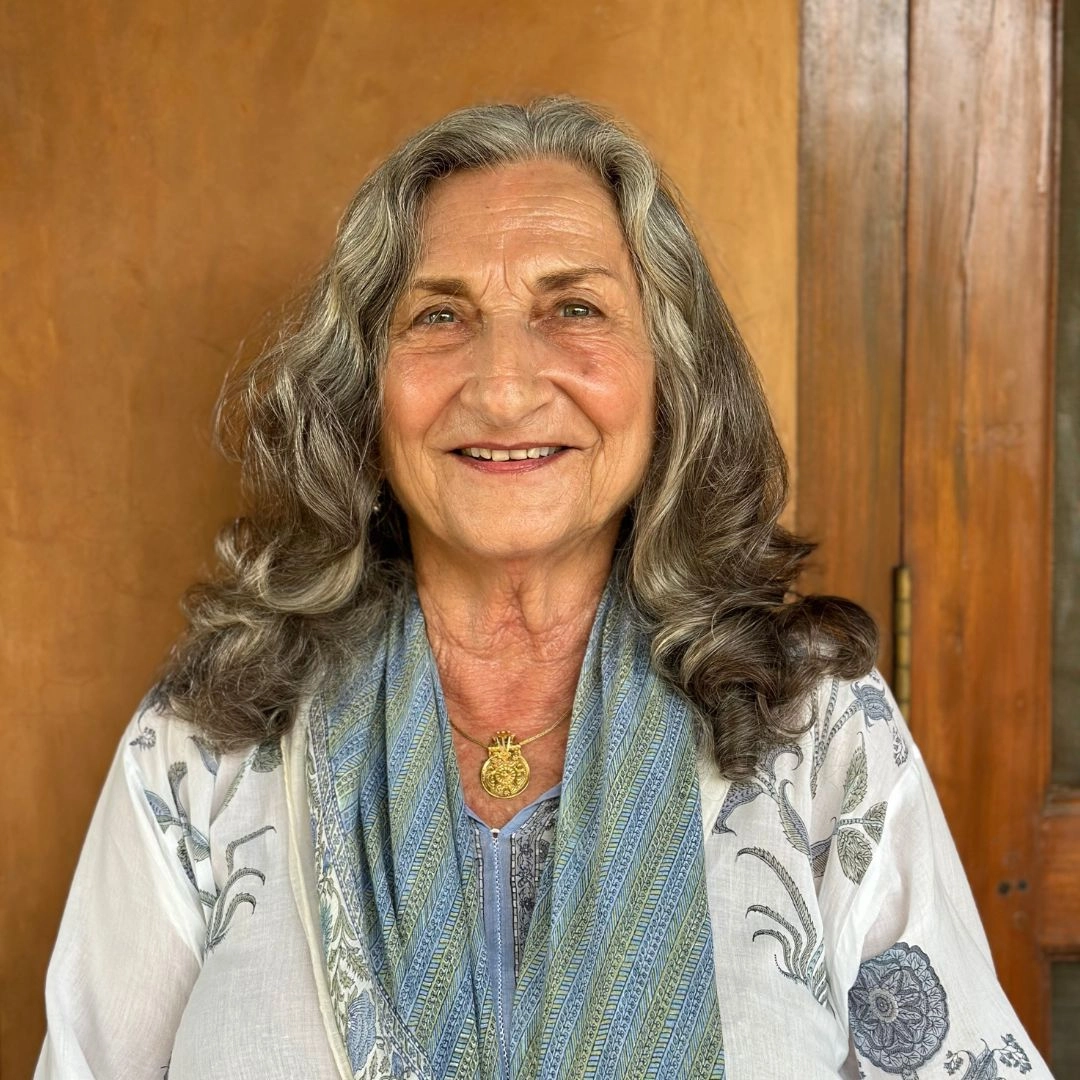
Rose Baudin has studied and practiced yoga since the late 60’s and has been teaching for 25 years. She met her mentor Swami Gauribala Giri in Sri Lanka in 1971 and was initiated into the parampara of the Tamil Siddhas in 1984. During the 16 years she lived in India she was instructed in the various schools of Yoga: Integral yoga with Clive Sheridan, Iyengar yoga with Ratanial Shah, Cle Souren, and Shandor Remete and, in 1987, Astanga yoga in Australia with Dena Kingsburg. She has extensive meditation experience under the personal guidance of S.N. Goenka (Vipassana), Zen Master Hogen-san Yamahata, (Soto), Sayadaw U Janaka (Insight Meditation), His Holiness the Dalai Lama (Kalachakra) and Jiddu Krishnamurti. An eclectic education!
During the 16 years she lived in India she was instructed in the various schools of Yoga: Integral yoga with Clive Sheridan, Iyengar yoga with Ratanial Shah, Cle Souren, and Shandor Remete and, in 1987, Astanga yoga in Australia with Dena Kingsburg. She has extensive meditation experience under the personal guidance of S.N. Goenka (Vipassana), Zen Master Hogen-san Yamahata, (Soto), Sayadaw U Janaka (Insight Meditation), His Holiness the Dalai Lama (Kalachakra) and Jiddu Krishnamurti.
Course Structure & Schedule:
- 6 pre-recorded video sessions: five 1-hour lectures with Drs. Svoboda & Welch, and 90 minutes of yoga with Rose, for a total of 6.5 hours of video.
- one handout that may take about one hour to read
- one quiz that may take about 30 minutes to complete
- That is, a total of 8 actual hours (9.6 50-minute academic hours)
Learning Objectives:
- Name the four life stages/ āśramas
- Be aware of the metaphorical and physical associations with the forest
- Be able to suggest how it can be useful to visualize life stages
- Consider what we need to do to prepare to die
- Be reminded of the value of organizing one’s affairs
- Consider to whom we feel an obligation in their later years
- Better understand physiological changes as we move into and through vānaprastha
- Have a general understanding of the role of stress in bone density health
- Have a better understanding of changes in energy in the second half of life
- Have an understanding of the different treatment strategies to apply to people in the second half of life
Learning Outcomes:
By the end of this course, if you have assimilated the material, you will be able to:
- be better prepared for the physiological changes that often accompany the vānaprastha stage of life
- be better prepared for potential changes in perspective and goals that may accompany the vānaprastha stage of life
- be better prepared for potential changes in the way prāṇa may flow or change in the vānaprastha stage of life
- have new ways of developing treatment strategies for people in the vānaprastha stage of life
- have new possibilities of understanding the trajectory of life
- be better prepared to face the unique challenges that may accompany the vānaprastha stage of life.