Vedic Threads | Self paced
Dharma within Sanātana Dharma
Eternal Duty in Service and Life
This session explores Sanātana Dharma as a universal, lived philosophy rooted in compassion, truth, non-violence, and service. Hanuman Dass emphasizes dharma as an ethical guide that transcends religious boundaries, illustrated through stories like Yudhiṣṭhira’s unwavering compassion. Through real-world examples from humanitarian work, the session highlights seva (selfless service) as a direct expression of spiritual practice. The reflection session deepens this by examining the fluid nature of dharma across life stages and contexts, encouraging a balance between self-care and service. Together, the sessions present dharma as a dynamic path of conscious action, unity, and alignment with a greater whole.

Guest Instructor
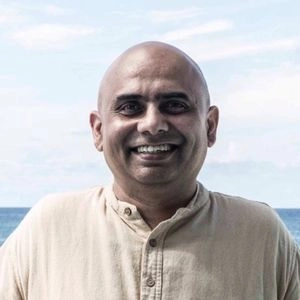
Hanuman Dass
Hanuman Dass is a humanitarian leader and founder of Go Dharmic, a global non-profit dedicated to compassion, service, and environmental action. Over the past 13 years, he has led initiatives including establishing 108 school libraries and computer labs, distributing over 22 million meals, and planting 200,000 mangrove trees in the Sundarbans. With a network of 10,000 volunteers responding to global crises, his work embodies dharma through selfless service. Recognized with the Points of Light Award (2023), he is also an author of The Power of Dharma and Moving Mountains, continuing to inspire change through compassion and spiritual action.
Dharma within Sanātana Dharma
Eternal Duty in Service and Life with Hanuman Dass
Topics Covered:
- Definition of Sanātana Dharma: Explained as eternal and universal, encompassing the essence of humanity beyond religious or cultural boundaries.
- The Four Pillars: Non-violence, truth, absence of anger, and charity as essential practices.
- Inclusivity: The universality of Sanātana Dharma contrasted with sectarian interpretations.
- Yudhiṣṭhira’s Dog: A narrative of compassion triumphing over divine seduction, illustrating the principle of seeing divinity in all beings.
- Practical Dharma: Service (seva) and compassion in action as exemplified by Hanuman Das Ji’s organization, GoDharmic.
- Upaniṣadic Insights: Reflecting on the teachings of oneness and the interconnectedness of all existence.
- Service as a Practice: The role of selfless action in spiritual growth and societal harmony.
- Integration of Philosophy and Action: The need to embody Sanātana Dharma principles in daily life through practical acts of kindness.
- Challenges of Modern Representation: Addressing how the universality of Sanātana Dharma can be expressed without appearing hegemonic.
- Call to Action: Vyāsa’s plea in the Mahābhārata to adhere to Dharma as the foundation of a harmonious life.
Learning Objectives:
- Understand the Core Principles: Recognize and explain the foundational principles of Sanātana Dharma and their possible application in modern contexts.
- Analyze Stories for Ethical Insights: Interpret key narratives, such as Yudhiṣṭhira’s story, to understand the ethical teachings of Sanātana Dharma.
- Integrate Philosophy into Practice: Identify ways to incorporate the values of compassion, truth, and service into daily actions and decision-making.
Session 2
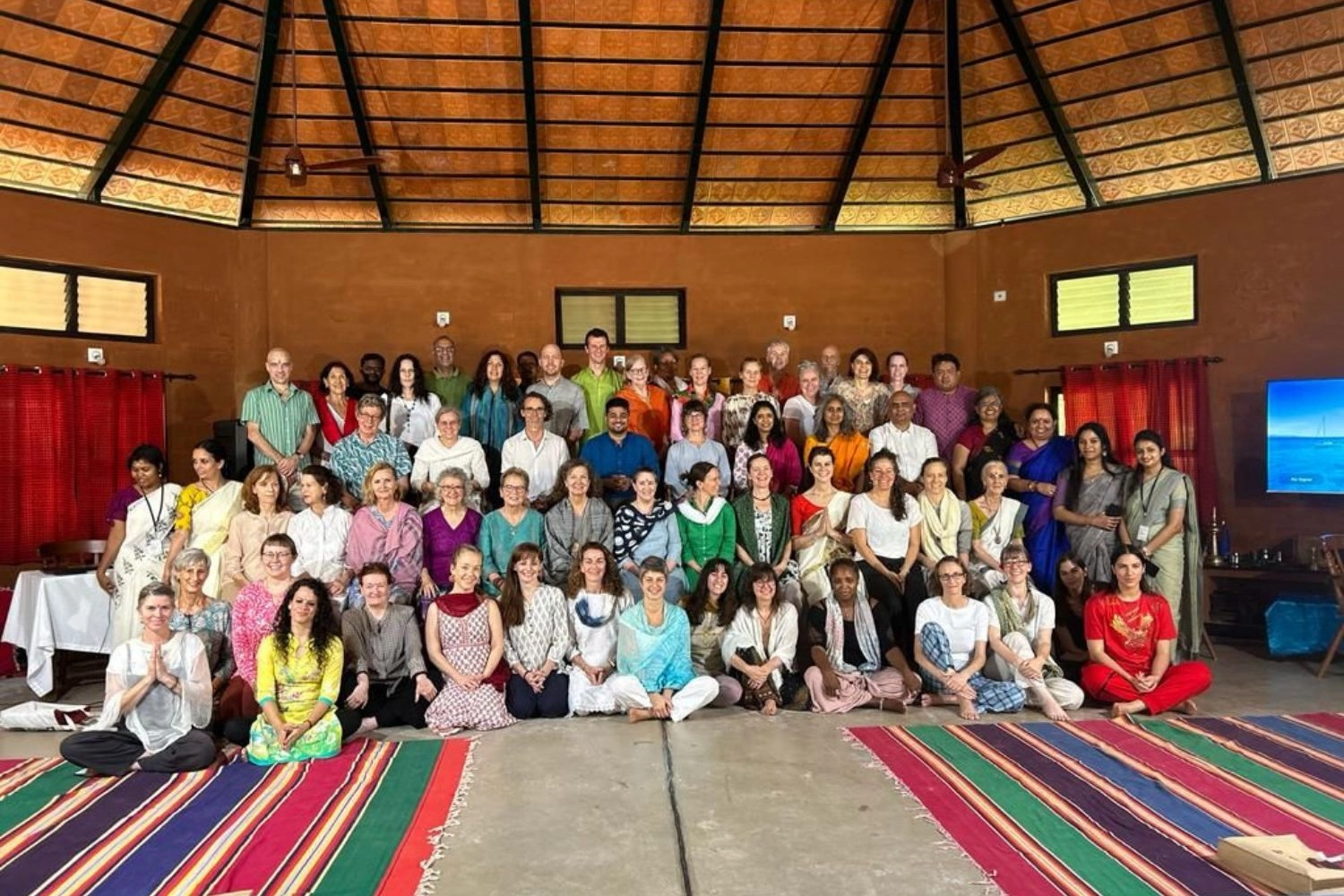
Reflections & Integration with the Instructors
Topics Covered:
- Stages of Life and Dharma: Dharma evolves across life stages, shifting from study (adhyayana) in Brahmacharya to application in Gṛhastha, introspection in Vānaprastha, and renunciation in Sannyāsa.
- Self-Care vs. Community Service: Participants discussed the need to balance personal well-being with service, avoiding “becoming a mission” themselves during acts of service.
- Interpreting Scriptures: Dr. Ramkumar explained three levels of scriptural interpretation and the importance of contextual and experiential understanding over time.
- Curiosity and Openness: Cultivating curiosity and softening judgment through dialogue and reflection were presented as ways to enhance interconnectedness.
- The Fluid Nature of Dharma: Ramkumar introduced various types of dharma. Dharma’s application varies based on individual capacities, context, and time (e.g., Yuga Dharma). In Kali Yuga, dāna (sharing) holds particular importance.
- Navigating Polarization: The group explored practical ways to build bridges across ideological divides, with respect and nonviolence as foundational practices.
- Service with Integrity: True service arises from a place of humility and unity, transcending ego-driven motivations.
- Challenges of Translation: Misinterpretation or corruption of scriptures was addressed, with a focus on meditative study and connecting with authentic teachers.
- Unity through Shared Experience: Relatable topics, like hobbies or local events, were suggested as tools for fostering trust and dialogue in divided communities.
- Practical Wisdom in Service: Analogies from river guiding and search-and-rescue operations highlighted the importance of self-sustainability in effective service.
- Service to the Microcosm = Service to the Macrocosm: If we really believed the macrocosm of the world exists in the microcosm of the human, then perhaps we would know that attending to the atman–the Self or soul is as important as serving the external world; maybe more. How would that change how we live?
Learning Objectives:
- Understand the evolving role of Dharma across the stages of life and how it aligns with individual and collective well-being.
- Develop skills to interpret scriptures contextually and apply them in contemporary settings with humility and openness.
- Explore practices to balance self-care and community service, fostering sustainable and inclusive contributions to society.
About Vedic Threads
Every Indian wisdom tradition carries within it a vast web of ideas, stories, and living knowledge. Vedic Threads is an invitation to explore that web — one theme at a time, in the company of lifelong practitioners and sincere seekers from around the world. Join hosts Drs. Ramkumar and Claudia Welch and Navneet Raman, and our distinguished guest instructors, for conversations that deepen your understanding of Ayurveda, yoga, and the traditions they emerge from.