Vedic Threads | Self paced
How Prāṇāyāma affects mind for Sattvāvajaya
This session explores prāṇāyāma as a powerful tool for mental balance and sattvāvajaya (mastery of the mind). Robert Moses integrates modern science with yogic wisdom, explaining how functional breathing—especially nasal and resonance breathing—regulates the nervous system, improves oxygenation, and enhances emotional resilience. Practical techniques like nostril breathing and diaphragmatic awareness highlight breath as a direct pathway to calm and clarity. The reflection session expands this into Ayurvedic psychology, showing how prāṇāyāma, mantra, and awareness help address mental disturbances and cultivate inner strength, making breath a vital bridge between body, mind, and healing.
Guest Instructor
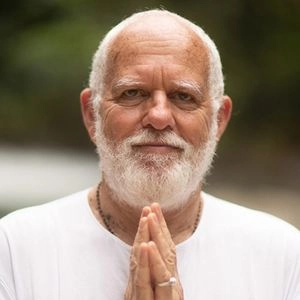
Robert Moses
Robert Moses is a seasoned teacher of yoga and Advaita Vedanta with over 50 years of experience. Born in South Africa, he discovered yoga in the Sivananda tradition in 1972 and went on to teach globally through the International Sivananda Yoga Vedanta Centers for over two decades. He is also co-publisher of Namarupa: Categories of Indian Thought, a respected journal on Indian philosophy and arts, and leads spiritual pilgrimages across India. In recent years, he has expanded his reach through online teachings, offering courses in pranayama and philosophy to a global audience, including as a guest instructor with Satsangam’s Vedic Threads.
How Prāṇāyāma affects mind for Sattvāvajaya with Robert Moses
Topics Covered:
- Many modern people exhibit dysfunctional breathing patterns due to stress, posture, and lack of breath education.
- Proper breathing is critical to nervous system balance and overall mental and physical health.
- The primary trigger for inhalation is rising carbon dioxide levels, not oxygen deficiency.
- Mouth breathing reduces nitric oxide intake and disrupts the body’s natural defense and oxygenation mechanisms.
- Nasal breathing produces nitric oxide which supports immunity, vasodilation, and oxygen delivery to tissues.
- Functional breathing can be cultivated through resonance breathing, typically around 4-6 breaths per minute.
- The diaphragm and intercostal muscles work together in proper breathing, and fascia flexibility supports this process.
- The practice included three-part breath awareness: abdominal, rib, and upper chest expansion.
- Left nostril breathing calms the nervous system and activates the right brain, while the right nostril does the opposite.
- Regular breath awareness and control build a resilience to stress and bring steadiness to both body and mind.
Learning Objectives:
- Identify and Describe the physiological mechanisms involved in breathing, including the role of carbon dioxide in triggering breath and the function of the diaphragm and nasal pathways.
- Demonstrate resonance breathing and nostril-specific techniques to cultivate calm and regulate the nervous system.
- Evaluate one’s own breathing habits and apply foundational breathwork practices for improved physical and mental wellbeing.
Session 2
Reflections & Integration with the Instructors
Topics Covered:
- Sattvāvajaya means mastery over the mental faculty sattva, often involving restraint from unwholesome stimuli and engaging with uplifting ones.
- Bhūta vidyā encompasses treatment of mental disturbances caused by karmic, elemental, or subtle forces—not just spirits.
- Āyurveda categorizes disease into three types: ādhibhautika, ādhyātmika, and ādhidaivika, each with its own therapeutic strategy.
- The term bhūta can mean ghost, element, past being, or any manifested entity—layering meaning into bhūta vidyā.
- Prāṇāyāma is a powerful tool to influence the mind by activating and balancing iḍā and piṅgalā nāḍīs.
- Sattvāvajaya works through cultivating dhi (intellect), dhairya (willpower), and ātmādi vijñāna (self-awareness).
- Breath practices can drastically affect our mental clarity, even with minor adjustments in breathing patterns.
- Possession was redefined—not just as spirit entry, but also as overpowering thoughts, emotions, or desires.
- Chanting and sound practices were also affirmed as effective mental therapies—sometimes even more potent than breath alone.
- Exploring these practices experientially—as we did with two distinct breath sequences—can help refine individual healing approaches.
Learning Objectives:
- Define and differentiate the Āyurvedic concepts of sattvāvajaya and bhūta vidyā in the context of mental and emotional healing.
- Apply basic prāṇāyāma practices to observe and influence emotional states through iḍā and piṅgalā nāḍī engagement.
- Evaluate the relevance of Vedic strategies in addressing contemporary mental health challenges through trividha duḥkha treatment approaches.
About Vedic Threads
Every Indian wisdom tradition carries within it a vast web of ideas, stories, and living knowledge. Vedic Threads is an invitation to explore that web — one theme at a time, in the company of lifelong practitioners and sincere seekers from around the world. Join hosts Drs. Ramkumar and Claudia Welch and Navneet Raman, and our distinguished guest instructors, for conversations that deepen your understanding of Ayurveda, yoga, and the traditions they emerge from.