Vedic Threads | Self paced
Rāga Cikitsa
Desire as Cause or Cure of Disease?
This session explores the dual meaning of rāga as both desire (a root cause of disease) and musical expression (a potential tool for healing). Dr. Shubham Kulkarni explains how attachment and emotional patterns disturb mental balance, while rāga in music can restore harmony through sound and vibration. Integrating Ayurveda and Indian classical music, he presents rāga cikitsā as a therapeutic approach for conditions like insomnia, anxiety, and depression. The session highlights how conscious engagement with sound can transform emotional states, showing that what causes imbalance can also become a pathway to healing and inner alignment.
Guest Instructor
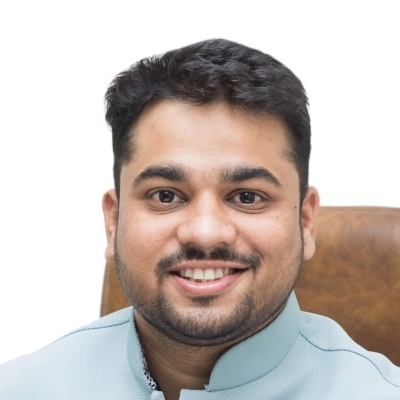
Dr. Shubham Kulkarni
Dr. Shubham Kulkarni is an Ayurvedic doctor and music therapist specializing in end-of-life care and mental health. He serves as the Head of the Department of Gandharva Veda Music Therapy at Maharishi University in the Netherlands and is a fellow of Naad, Raag, Ras, and Consciousness rooted in Abhinavgupta’s philosophy. A trained classical vocalist and disciple of Pandit Shounak Abhisheki ji, his work integrates both clinical and philosophical research, focusing on areas such as insomnia, depression, pregnancy care, Shaivism, tantra, mental health, and end-of-life care, alongside extensive clinical practice and tutoring experience across more than six countries.
Rāga Cikitsa
Desire as Cause or Cure of Disease? with Dr. Shubham Kulkarni
Topics Covered:
- Exploration of rāga as both desire (attachment) and musical expression
- Understanding rāga in Ayurveda as a root cause of disease when it manifests as attachment
- Reframing rāga in music as a potential tool for healing (cikitsā)
- Insight into mental health from an Ayurvedic perspective
- The dual nature of desire—that which binds and that which can liberate
- Use of Indian classical music as therapy, influencing emotional and physiological states
- Practical examples of rāga cikitsā in conditions like insomnia, depression, pregnancy, and end-of-life care
- Integration of ancient wisdom and modern scientific perspectives on music therapy
Learning Objectives:
- Understand the concept of rāga in both Ayurvedic and musical contexts
- Explore how desire can act as both a cause and a cure of disease
- Gain insight into the use of rāga cikitsā as a therapeutic tool for mental and emotional well-being
Session 2
Reflections & Integration with the Instructors
Topics Covered:
- Continued exploration of rāga as both cause (desire/attachment) and cure (music/therapy)
- Insights from the Bhagavad Gita on desire and its relationship to the mind
- Understanding the interplay between mind, desire, and emotional states
- Introduction to Indian Classical Music systems—Hindustani (North) and Carnatic (South)
- Exploration of the structure and components of a rāga
- The role of khayāl (imagination, interpretation) in musical expression
- Understanding svara as both musical note and expression of breath/life force
- Connection between Vedic knowledge and the origins of rāga
Learning Objectives:
- Define svara and understand its dual role in music and breath
- Differentiate between the two major systems of Indian classical music
- Explore how desire (rāga) influences the mind, drawing from the Bhagavad Gita
About Vedic Threads
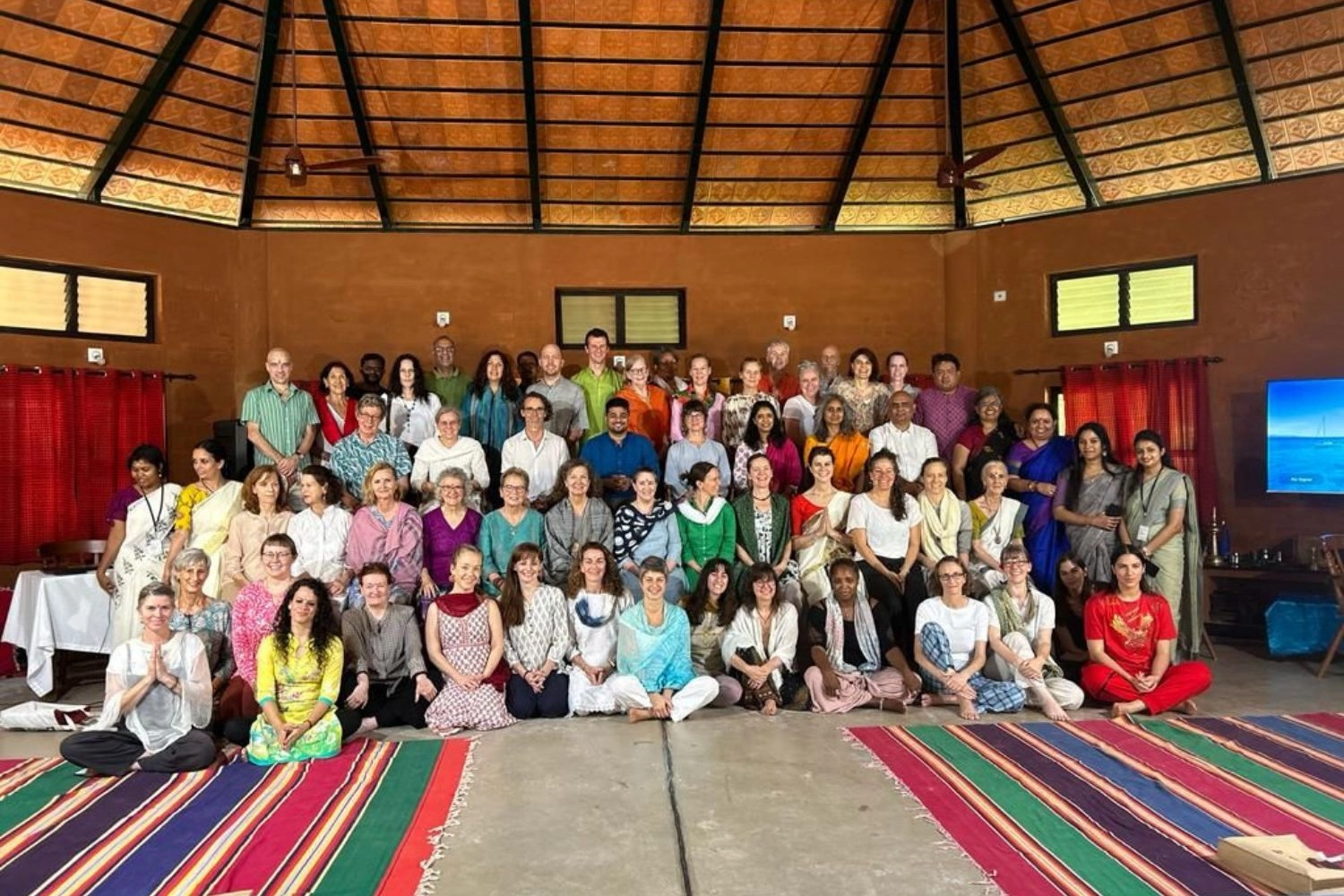
Every Indian wisdom tradition carries within it a vast web of ideas, stories, and living knowledge. Vedic Threads is an invitation to explore that web — one theme at a time, in the company of lifelong practitioners and sincere seekers from around the world. Join hosts Drs. Ramkumar and Claudia Welch and Navneet Raman, and our distinguished guest instructors, for conversations that deepen your understanding of Ayurveda, yoga, and the traditions they emerge from.