Vedic Threads | Self paced
Tāla
Rhythmic Measure in Art, Architecture, Music and Dance
This session explores tāla as a unifying principle of rhythm, proportion, and measurement across Indian arts, including music, dance, visual art, and architecture. It highlights how tāla provides structure and precision, shaping movement, sound, and form while allowing expression to unfold harmoniously. The discussion emphasizes the balance between technical accuracy and the flow of rasa, showing that true artistry arises when disciplined structure supports emotional experience. The reflection session deepens this by exploring relationships between rhythm, silence, and perception, encouraging an understanding of how underlying patterns and intervals bring meaning, beauty, and coherence to both art and daily life
Guest Instructor
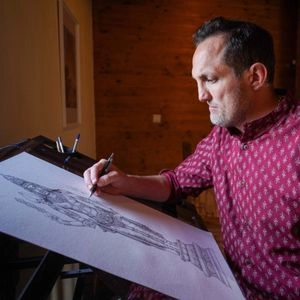
Drdha Vrata Gorrick
Drdha Vrata Gorrick is a contemporary artist rooted in traditional Vedic arts, blending classical South Indian training with Western techniques. Born in the US, he spent over 15 years studying art and architecture in India, developing expertise in iconography, iconometry, painting, sculpture, and sacred design. His work seeks to elevate consciousness through devotional art, drawing inspiration from timeless temple traditions. Alongside creating commissioned works for homes and temples, he teaches through workshops and courses, sharing his knowledge and preserving traditional artistic wisdom. He also contributes as a guest instructor in Satsangam’s Vedic Threads program.
Tāla
Rhythmic Measure in Art, Architecture, Music and Dance with Drdha Vrata Gorrick & Vinay Srinivasan
Topics Covered:
- Introduction to tāla as a unifying principle of rhythm, measure, and proportion across Indian arts
- Understanding tāla in music as rhythmic structure, meter, and emphasis
- Role of tāla in dance as the foundational timing that guides movement and expression
- Exploration of tāla in visual arts and architecture (tālamāna) as proportion and sacred measurement
- Connection between geometry, symmetry, and divinity in artistic creation
- Insights from śilpa śāstra and Nāṭyaśāstra in shaping artistic traditions
- Relationship between tāla, prāṇa (life force), and rasa (aesthetic experience)
- Balancing technical precision with expressive flow in artistic practice
Learning Objectives:
- Define tāla and understand its application across music, dance, and visual arts
- Identify ways in which tāla structures rhythm, proportion, and movement in Indian art forms
- Explore the relationship between tāla and rasa, and how structure supports aesthetic experience
Session 2
Reflections & Integration with the Instructors
Topics Covered:
- Integration of core concepts: svara (note), rāga (melodic framework), tāla (rhythm), rasa (experience), and ṛtam (cosmic order)
- Exploration of distance and space—between sounds, thoughts, and beings—as essential to meaning and harmony
- Understanding how structure (measurement) can both support and limit the experience of rasa (feeling)
- The idea of a “window to the divine” that emerges through and beyond structure
- Reflections on practice and discipline as pathways to spontaneous expression
- Stories and examples from Indian classical music and dance traditions
- Insights into gati (movement/flow) and its role in rhythm and life
- The importance of silence and pause in creating meaning—“music exists between the notes”
Learning Objectives:
- Understand and define key concepts: svara, rāga, tāla, rasa, ṛtam, and kāma
- Identify the interrelationships between these elements in art and experience
- Reflect on the role of rhythm, distance, and silence in shaping perception and meaning
About Vedic Threads
Every Indian wisdom tradition carries within it a vast web of ideas, stories, and living knowledge. Vedic Threads is an invitation to explore that web — one theme at a time, in the company of lifelong practitioners and sincere seekers from around the world. Join hosts Drs. Ramkumar and Claudia Welch and Navneet Raman, and our distinguished guest instructors, for conversations that deepen your understanding of Ayurveda, yoga, and the traditions they emerge from.