Vedic Threads | Self paced
Understanding Stotras
The wellspring of spiritual essence
This session explores the interconnected roles of stotra, purāṇa, and mantra in deepening bhakti-yoga. Visalakshi Sankaran highlights stotra as a bridge between the narrative richness of purāṇas and the concentrated power of mantra, emphasizing that true devotion arises from understanding, not repetition alone. By engaging with the symbolic and philosophical layers behind chants, practitioners cultivate focus and inner connection. The reflection session extends this by examining the duality within all beings, encouraging humility, compassion, and awareness of divine remembrance as key to transformation and liberation. Together, the sessions promote a more conscious, informed, and integrated spiritual practice.

Guest Instructor
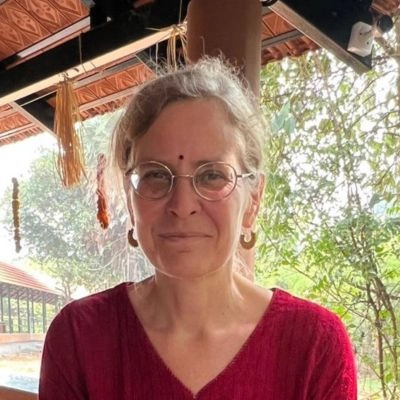
Visalakshi Sankaran
Smt. Visalakshi Sankaran is a distinguished Sanskrit scholar and educator with over 30 years of teaching experience across global platforms. Based in San Jose, she teaches students worldwide and offers in-depth courses on Sanskrit literature, grammar, Vedānta, and classical texts. A gold medalist from Madras University, she has contributed to academia through publications, lectures, and curriculum development. Her work spans digital initiatives like Yajur Veda text digitization and Sanskrit localization projects with CDAC. An active blogger and composer, her devotional work has been performed by renowned musicians, reflecting her deep commitment to preserving and sharing Sanskrit knowledge.
Understanding Stotras
The wellspring of spiritual essence with Visalakshi Sankaran
Topics Covered:
- Stotra, purāṇa, and mantra are three interlinked channels of spiritual growth, each serving a unique function in bhakti-yoga.
- Mantra is the concentrated essence; stotra connects mantra to the expansive context of purāṇa.
- Study of purāṇa has declined in modern times, reducing depth in devotional practice.
- The syllable Om (praṇava) embodies layers of meaning tied to Vedic knowledge, deities, and cosmic principles.
- Chanting without understanding is less effective than chanting with full awareness of meaning and source.
- Stories like Tripura Samhāra are symbolic of inner purification—destroying ahaṅkāra, māyā, and karma.
- Villainous characters in purāṇa often have admirable qualities worth reflecting upon.
- Practical engagement includes finding purāṇic stories tied to personal mantra practice.
- The Saundarya Lahari exemplifies how poetic devotion can anchor the mind deeply in divine imagery.
- Devotional literature often layers symbolic, philosophical, and practical wisdom into narrative form.
Learning Objectives:
- Identify the interconnections between mantra, stotra, and purāṇa, and explain their complementary roles in bhakti-yoga.
- Analyze a stotra to trace its purāṇic roots and describe how that context enhances devotional focus.
- Apply interpretive skills to find positive qualities in traditionally negative purāṇic characters as part of personal reflection practice.
Session 2
Reflections & Integration with the Instructors
Topics Covered:
- The Purāṇas differ from Itihāsa by containing five key elements: primary creation, secondary creation, genealogies, manvantaras, and dynastic histories.
- Stories such as Hiraṇyakaśipu–Prahlāda, Rāvaṇa, Kaṁsa, and Bali reflect the blend of daivic and āsuric qualities in one being.
- Devotion and remembrance of the Divine—especially at the time of death—can lead to liberation, regardless of past actions.
- The Bhāgavata Purāṇa was recommended for those interested in exploring these layers in a poetic, story-rich way.
- Even great sages and demons arise from the same source, such as Jaya-Vijaya, gatekeepers of Vaikuṇṭha, cursed to take demonic births.
- Acts of penance (tapas) and offering (pūjā) were distinguished, with both ultimately leading toward internal purification.
- The importance of humility was emphasized as arrogance led to downfall in all discussed stories.
- Mercy was revealed as a force capable of overriding karmic justice, seen in stories like Jatāyu, Vālin, and even Judas Iscariot.
- Characters traditionally labeled as “bad” often fulfill divine roles, acting out necessary parts in the cosmic drama.
- The possibility of liberation for all beings was underlined, reminding participants of the dynamic spectrum of virtue and vice.
Learning Objectives:
- Differentiate the core structural elements of the Purāṇas and Itihāsa, and explain how their unique features support Vedic storytelling and spiritual teachings.
- Analyze characters in Vedic stories who embody both āsuric and daivic qualities, and explore how these portrayals expand our understanding of good and evil.
- Develop personal insight into how remembrance of the Divine and consistent practice (tapas, mantra, and devotion) influence one’s inner orientation and experience of liberation.
About Vedic Threads
Every Indian wisdom tradition carries within it a vast web of ideas, stories, and living knowledge. Vedic Threads is an invitation to explore that web — one theme at a time, in the company of lifelong practitioners and sincere seekers from around the world. Join hosts Drs. Ramkumar and Claudia Welch and Navneet Raman, and our distinguished guest instructors, for conversations that deepen your understanding of Ayurveda, yoga, and the traditions they emerge from.