Vedic Threads | Self paced
Unveiling the Mandapam
A Journey Through Tamil Nadu’s Hidden Heritage
This session explores Amar Ramesh’s journey of documenting Tamil Nadu’s hidden heritage, highlighting photography as both preservation and spiritual practice. Focusing on temple mandapams and Chettinad architecture, he emphasizes the urgency of capturing disappearing cultural traditions and the role of art in raising awareness. Photography is presented as a meditative act—an intimate connection with history, space, and energy. The reflection session expands this through the concept of rasa, showing how art becomes a shared, transformative experience between creator and audience. Together, the sessions celebrate presence, sensitivity, and creative expression as pathways to preserving culture and deepening inner awareness.
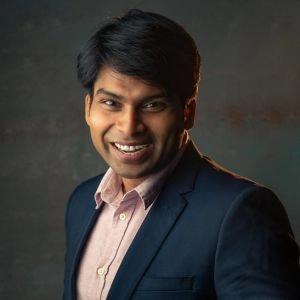
Guest Instructor
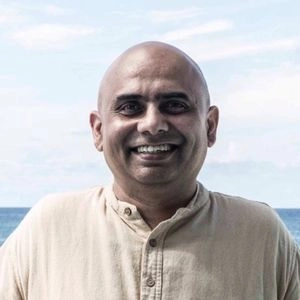
Amar Ramesh
Amar Ramesh is a photographer, entrepreneur, and storyteller driven by a deep trust in the magic of the universe. Transitioning from a software career to follow his passion, he has built a journey rooted in creativity, exploration, and meaningful connections. A wanderer at heart, Amar seeks to document heritage, culture, and lived experiences across Tamil Nadu, India, and beyond. Through his work and collaborations, he captures moments that become lasting memories, embodying his identity as a “memory maker” and inspiring others to pursue purpose through passion.
Unveiling the Mandapam
A Journey Through Tamil Nadu’s Hidden Heritage with Amar Ramesh
Topics Covered:
- Amar Ramesh’s Journey: From an IT career in the US, Amar returned to India to follow his passion for photography and document India’s hidden heritage.
- Initial Challenges: After quitting his job, his initial goal was to document temples, but financial constraints led him to wedding photography, which gained him fame.
- Reviving the Dream: After success in the wedding industry, Amar resumed his original goal of documenting Tamil Nadu’s temples and traditional art forms.
- The Mandapam: He introduced the significance of the mandapam in Tamil Nadu’s temples as cultural centers for festivals, rituals, and the arts.
- Pudhu Mandapam Restoration: Amar discussed the Pudhu Mandapam in Madurai, which had been encroached by traders. After decades of neglect, it was recently cleared for restoration.
- Challenges of Preservation: Amar highlighted the difficulty in preserving these monuments and how many, like the mansions in Chettinad, are disappearing.
- Chettinad Architecture: He emphasized the need to document the architecture of Chettinad, filled with intricate art and craftsmanship, before it is lost to modernization.
- The Role of Photography: Amar sees photography as a way to document, preserve, and bring awareness to Tamil Nadu’s hidden cultural gems.
- Spirituality and Photography: For Amar, photography is not just a profession but a spiritual experience, allowing him to connect deeply with the subjects he captures.
- Community Impact: Amar’s work has inspired architecture students and designers to study and incorporate traditional elements into modern designs, ensuring these traditions live on.
Learning Objectives:
- Understand the cultural significance of mandapams in Tamil Nadu’s temples and their role in community rituals, festivals, and arts.
- Explore the challenges of preserving disappearing cultural and architectural heritage, particularly in the context of modernization and neglect.
- Identify the ways in which art and documentation can be used to raise awareness and foster appreciation for India’s hidden architectural gems.
Session 2
Reflections & Integration with the Instructors
Topics Covered:
- Raga paintings bring together visual art, poetry, and music, offering an experience of aesthetic mood (rasa).
- The rasika, or knowledgeable audience, plays a critical role in enhancing the artistic experience.
- Navneet described an exhibit on Ragamala, expressing how academic interpretation can sometimes detract from the emotional experience.
- Amar Ramesh shared his philosophy of photography, where capturing the energy of a subject or space is as important as its visual representation.
- Energy exchange between artist and audience can lead to transcendental experiences in art, as seen in classical Indian performances.
- The idea of being an attentive, connected audience can elevate both the art and the experience.
- Ram Kumar described the extended impact of a traditional Kathakali performance, where audience and performer merged into a deep connection that prolonged the event’s magic.
- Discussions reflected on the difference between solitary and shared experiences of art and spirituality.
- David Cross shared a Tagore poem illustrating how artistic connection transcends time, allowing future generations to experience past creations.
Learning Objectives:
- Understand the role of the rasika in Indian classical art forms, emphasizing the importance of attentiveness and energy in enhancing the experience.
- Explore how art forms like Ragamala paintings and Indian classical music depict and evoke specific rasa through visual and auditory means.
- Recognize how the presence of both artist and audience can transform art into a shared spiritual and emotional experience.
About Vedic Threads
Every Indian wisdom tradition carries within it a vast web of ideas, stories, and living knowledge. Vedic Threads is an invitation to explore that web — one theme at a time, in the company of lifelong practitioners and sincere seekers from around the world. Join hosts Drs. Ramkumar and Claudia Welch and Navneet Raman, and our distinguished guest instructors, for conversations that deepen your understanding of Ayurveda, yoga, and the traditions they emerge from.